
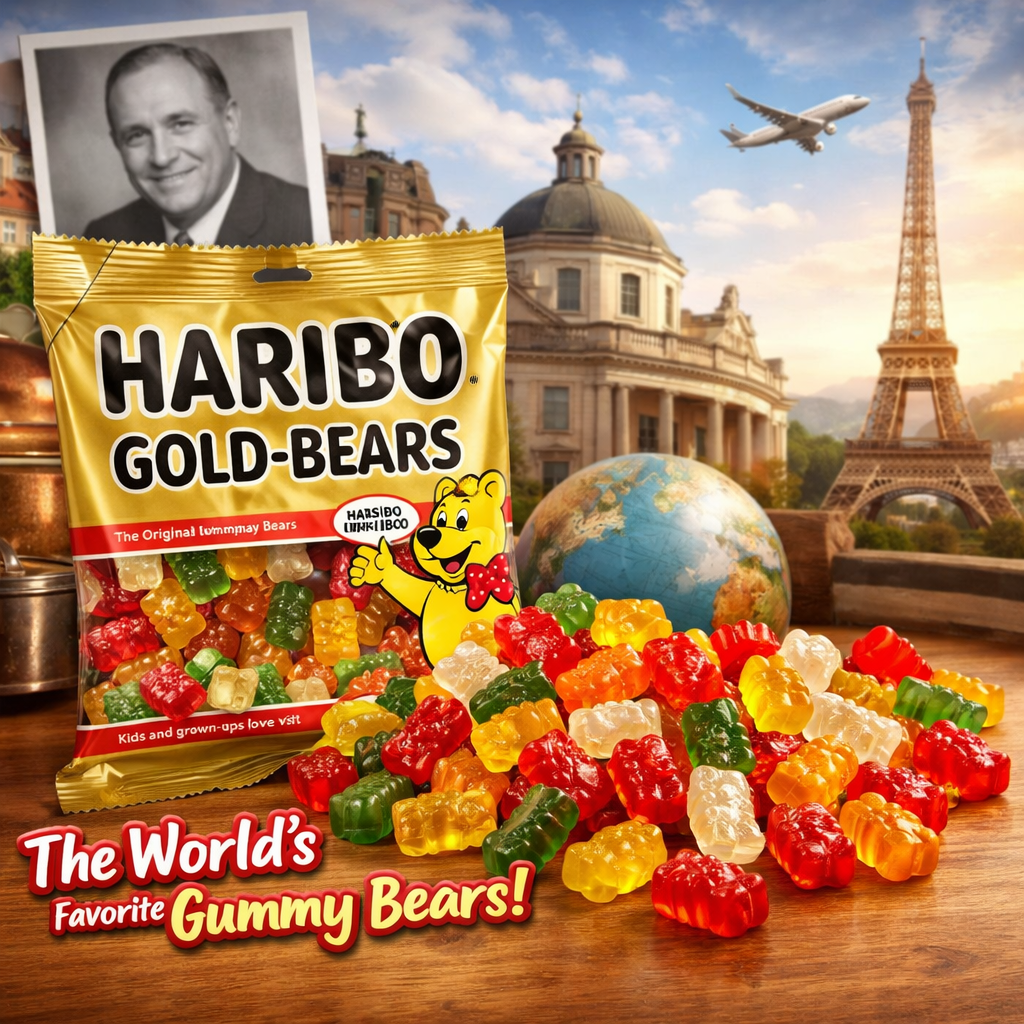
Few candies have achieved the global fame and enduring popularity of Haribo Goldbears. Recognizable by their cheerful bear shapes and vibrant colors, these chewy sweets have delighted generations of candy lovers. From their humble beginnings in Germany to their status as a worldwide confectionery icon, Haribo Gold Bears represent more than just a sugary treat. They are a piece of candy history.
This article explores the fascinating story behind Gold Bears, their origins, how they became a global sensation, and some fun facts about the beloved gummy candy.
The Origins of Haribo
The story begins in 1920 in Bonn, Germany, when Hans Riegel Sr. founded the confectionery company Haribo. The company’s name is actually an acronym derived from:
Ha – Hans
Ri – Riegel
Bo – Bonn
Working from a small kitchen with only a sack of sugar, a copper kettle, and a marble slab, Riegel began experimenting with gelatin-based candies. At the time, gelatin sweets were relatively new and offered a unique chewy texture that set them apart from traditional hard candies.
Just two years later, in 1922, Riegel created a small, fruit-flavored gummy shaped like a dancing bear. These candies were originally called “Tanzbären” (Dancing Bears), inspired by performing bears that were popular attractions at European fairs.
These early sweets would eventually evolve into the modern Haribo Gold Bears.
The Birth of Haribo Gold Bears
The candies we now know as Haribo Gold Bears were officially introduced in 1960. While inspired by the original Tanzbären, the updated version featured a smaller, cuter design and came in a range of fruity flavors.
The five classic Gold Bear flavors include:
-
Lemon (yellow)
-
Orange (orange)
-
Pineapple (white/clear)
-
Raspberry (red)
-
Strawberry (green in many regions)
Their distinctive gold packaging and playful bear shapes quickly made them stand out on store shelves.
Over time, Haribo Gold Bears became the signature product of Haribo, helping transform the company into one of the largest candy manufacturers in the world.
A Global Candy Icon
Today, Haribo Gold Bears are sold in more than 100 countries and are produced in multiple factories worldwide. The brand’s success spread throughout Europe before expanding into North America, Asia, and beyond.
Major markets include:
-
Germany
-
United States
-
United Kingdom
-
France
-
Japan
Haribo’s catchy advertising slogan helped fuel their popularity:
“Kids and grown-ups love it so – the happy world of Haribo.”
The combination of nostalgic charm, unique texture, and consistent quality has made Gold Bears one of the most recognizable candies on the planet.
How Haribo Gold Bears Are Made
The production process for Gold Bears is surprisingly complex. It typically takes several days to create a single batch.
The process generally includes:
-
Mixing ingredients – sugar, glucose syrup, gelatin, fruit flavorings, and coloring.
-
Molding – the mixture is poured into bear-shaped molds made in trays of cornstarch.
-
Drying – the candies are left to set and develop their chewy texture.
-
Polishing – they are lightly coated with wax or oil for shine.
-
Packaging – the finished Gold Bears are sealed in their iconic gold bags.
This careful process ensures each bear maintains its signature bounce and chewiness.
Fun Facts About Haribo Gold Bears
Here are some sweet facts you might not know:
🍬 Over 100 million Gold Bears are produced every day.
🐻 The original Tanzbären candies were much larger and thinner than today’s Gold Bears.
🍍 The pineapple flavor is actually the clear/white gummy, not yellow as many people assume.
🎬 Gold Bears have appeared in movies, TV shows, and pop culture references around the world.
🇩🇪 Haribo remains a family-owned company more than 100 years after its founding.
🏭 The largest Haribo factory produces tons of gummy candy every day to meet global demand.
Haribo’s Cultural Impact
Beyond candy aisles, Haribo Gold Bears have become a cultural symbol of childhood nostalgia and fun. Many people associate them with movie nights, road trips, and sweet treats shared with friends and family.
The brand has also expanded into numerous variations of gummy candy, including sour gummies, cola bottles, and themed shapes. Yet despite all these innovations, the Gold Bear remains the company’s most famous product.
It’s a tiny candy with a big legacy.
Why Haribo Gold Bears Remain So Popular
Several factors explain the enduring success of Gold Bears:
-
Unique chewy texture
-
Bright fruit flavors
-
Instantly recognizable shape
-
Strong brand heritage
-
Worldwide nostalgia
Simply put, Haribo perfected the gummy candy formula.
The Sweet Legacy of Haribo Gold Bears
More than a century after Hans Riegel Sr. started cooking candy in a small kitchen in Bonn, Haribo Gold Bears continue to delight candy lovers across the globe.
What began as a playful “dancing bear” sweet has grown into one of the most beloved candies ever created. With billions of gummies enjoyed each year, the cheerful little bears have secured their place in confectionery history.
And judging by their continued popularity, these tiny golden bears will keep bouncing into candy bowls for generations to come. 🐻🍬