
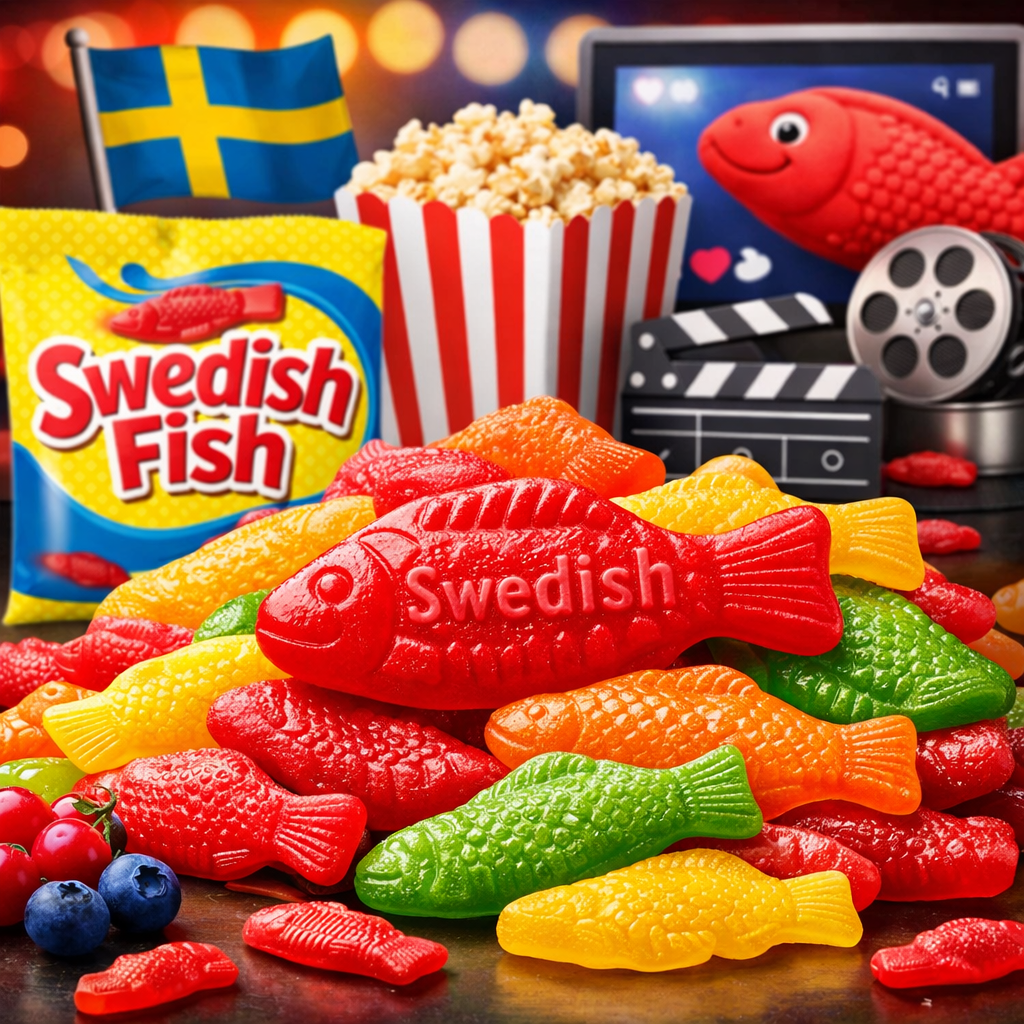
Few candies have a silhouette as instantly recognisable as the bright red, fish-shaped chewy sweets known as Swedish Fish. With their glossy finish, distinctive texture, and mysterious fruity flavour, these playful candies have become a staple in cinemas, convenience stores, and sweet shops around the world. What started as a clever Scandinavian marketing idea in the 1950s has grown into a beloved confectionery icon that swims comfortably through pop culture, social media trends, and nostalgic snack aisles.
This article explores the history, origin, and evolution of Swedish Fish, along with fun facts and the reasons behind their enduring popularity.
The Origin of Swedish Fish
Swedish Fish were first introduced in 1957 by the Swedish confectionery company Malaco. The candy was designed specifically for the North American market, a strategic move aimed at bringing a taste of Swedish confectionery culture to American consumers.
The candy’s shape was not chosen at random. Sweden has long been associated with its fishing industry, which has historically been a major part of the country’s culture and economy. To highlight this cultural connection, Malaco created a fish-shaped candy that represented Sweden while also providing a distinctive and memorable design.
Initially, Swedish Fish were produced in Sweden and exported overseas. As their popularity grew in North America during the 1960s and 1970s, distribution expanded through partnerships with larger confectionery companies. Eventually, the global snack giant Mondelēz International became responsible for distributing the candy in the United States.
Today, most Swedish Fish sold in North America are manufactured in Canada and Turkey, while Malaco still distributes similar candies in Sweden under the name Pastellfiskar (“pastel fish”).
What Makes Swedish Fish Unique?
Swedish Fish belong to a category of sweets known as starch jellies or wine gums, which are firmer and chewier than traditional gelatin gummies. Unlike many gummy candies, Swedish Fish do not contain gelatin, making them suitable for many vegetarian diets.
Classic Flavor and Varieties
The original Swedish Fish are bright red and have a flavour that fans have debated for decades. While it is often described as cherry or strawberry, the flavour is commonly believed to resemble lingonberry, a tart berry widely used in Scandinavian cuisine.
Over time, the candy expanded beyond the classic red version and now appears in multiple colours and flavours, including:
-
Red – Original signature flavour
-
Orange – Orange flavour
-
Yellow – Lemon-lime
-
Green – Pineapple
Interestingly, the green Swedish Fish are pineapple rather than lime, surprising many candy lovers.
The candies are also produced in different sizes, from small snackable pieces to larger “giant fish” versions designed for sharing or novelty treats.
Swedish Fish in Pop Culture
For decades, Swedish Fish required almost no advertising because their popularity spread organically through word of mouth and retail exposure. However, in the 2010s, the brand launched several creative campaigns that helped revive interest in the candy among younger audiences.
Television and Online Content
One notable marketing effort was the “Giant Fish” advertising campaign, which featured humorous commercials starring an oversized Swedish Fish interacting with humans. The campaign helped reintroduce the candy to a new generation of snack lovers.
The brand also released a YouTube mini-series titled “Treadin’ Water,” which follows four friends living with a giant Swedish Fish as their roommate. The quirky premise played well on social media and added a playful personality to the brand.
Swedish Fish have also appeared in various television shows and movie scenes as a nostalgic cinema snack, reinforcing their association with movie-night candy culture.
Swedish Fish and Social Media Trends
In recent years, Swedish candy has experienced a surge in popularity on social media platforms such as TikTok, where users frequently post taste tests, candy hauls, and nostalgic snack reviews.
The hashtag #swedishcandy has generated thousands of videos showcasing colourful sweets and unique Scandinavian flavours. While many of these videos focus on a variety of Swedish confections, Swedish Fish remain one of the most widely recognised treats associated with the trend.
This digital buzz has contributed to renewed interest in imported sweets and Scandinavian candy culture, particularly among younger consumers who enjoy visually distinctive snacks such as vegan cherry gummy fish.
Fun Facts About Swedish Fish
Here are a few interesting tidbits about this iconic candy:
1. The word “Swedish” is stamped on each fish.
Look closely and you’ll see the word “Swedish” embossed on the candy’s side.
2. The flavour is intentionally ambiguous.
The brand has never officially confirmed the exact flavour of the original red candy, contributing to decades of speculation.
3. They aren’t technically gummies.
Because they don’t contain gelatin, Swedish Fish are classified as starch jellies or wine gums rather than gummy candy.
4. They were designed for Americans.
Despite the name, Swedish Fish were created in Sweden specifically to appeal to the U.S. market.
5. They once needed almost no advertising.
For many years, the candy’s popularity spread without major marketing campaigns because sales were already strong.
Why Swedish Fish Remain So Popular
The enduring appeal of Swedish Fish comes down to several factors:
-
Distinctive shape: The fish design is playful and memorable.
-
Unique texture: Firmer and chewier than many gummies.
-
Mysterious flavour: The ambiguous taste keeps fans guessing.
-
Nostalgia: Many people associate them with childhood snacks and movie theatres.
-
Cultural identity: Their Scandinavian roots add a touch of novelty and storytelling.
Together, these elements have allowed Swedish Fish to remain a favourite candy for more than six decades.
Conclusion
From their origins in Sweden in 1957 to their status as a global snack favourite, Swedish Fish have proven that a simple idea can become a cultural icon. Created by Malaco and now distributed globally by Mondelēz International, the chewy fish-shaped candy has successfully navigated generations of changing snack trends.
Whether enjoyed at the cinema, featured in quirky advertising campaigns, or trending on social media, Swedish Fish continue to capture the imagination of candy lovers worldwide. Their bright colour, unmistakable shape, and legendary flavour ensure that these tiny candy fish will keep swimming through snack aisles for years to come.