
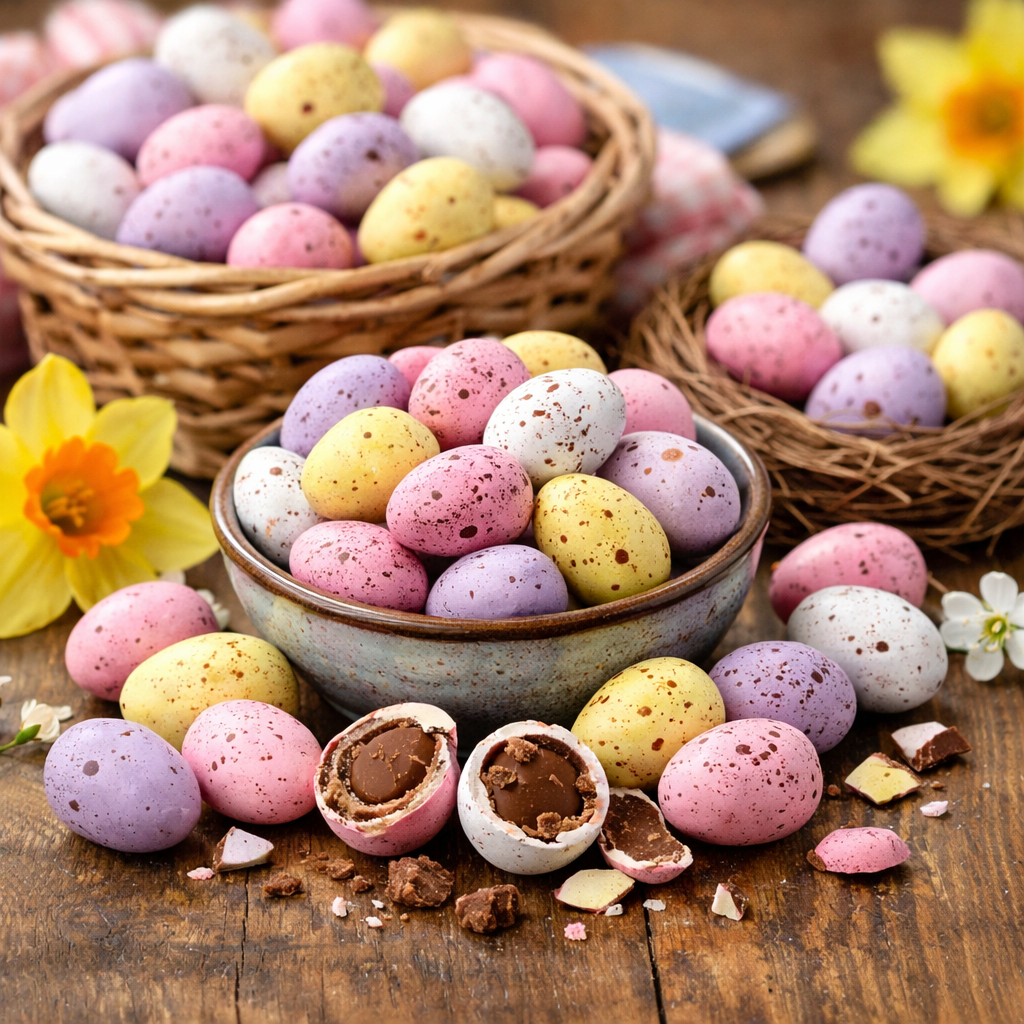
Mini chocolate speckled eggs are one of the most recognisable seasonal sweets in the world. With their pastel shells, crunchy coating, and creamy chocolate centre, these tiny treats have become a staple of Easter celebrations, Easter egg hunts, and springtime baking. While they can be enjoyed year-round in many forms, they are most closely associated with Easter traditions and seasonal confectionery displays.
Among the companies that produce mini speckled eggs, one of the most well-known manufacturers is Cadbury, whose famous Mini Eggs have become a beloved treat in the United Kingdom and beyond.
The History of Chocolate Speckled Eggs
The tradition of chocolate eggs dates back to the 19th century. Early chocolate eggs were first made in Europe during the early 1800s, although the texture of chocolate at that time was often coarse and bitter. The process improved dramatically after Dutch chemist Coenraad van Houten developed a way to separate cocoa butter from cocoa beans in 1828, which allowed chocolatiers to produce smoother, mouldable chocolate.
By the late 1800s, British confectionery companies such as Fry’s and Cadbury were producing moulded chocolate eggs for Easter celebrations. The tradition quickly spread and became a core part of Easter confectionery culture.
The modern mini chocolate speckled egg, however, arrived much later. Cadbury introduced its famous mini eggs in 1967, featuring solid milk chocolate encased in a thin candy shell designed to resemble a tiny bird’s egg.
These small, colourful eggs quickly became an Easter favourite and helped define the “mini egg” confection category.
Why Mini Speckled Eggs Became So Popular
Several factors have helped mini chocolate eggs maintain their popularity for decades:
1. Easter Tradition
Eggs symbolise new life and rebirth, making them a natural symbol for Easter celebrations. Chocolate eggs became a fun and edible version of this tradition.
2. Perfect for Easter Egg Hunts
Their small size makes mini eggs ideal for hiding during Easter egg hunts, which is one reason they remain a favourite for families and schools.
3. Distinctive Crunch and Creamy Chocolate
The combination of a crunchy candy shell and smooth milk chocolate centre gives mini speckled eggs a unique texture that fans love.
4. Seasonal Nostalgia
Many people associate mini eggs with springtime and childhood memories, which helps drive demand each year when they return to store shelves.
While most people buy them around Easter, mini chocolate speckled eggs are increasingly used throughout the year in baked goods, desserts, and snack mixes.
Cadbury: One of the Largest Manufacturers
Cadbury is widely regarded as one of the most prominent producers of mini chocolate eggs. Their iconic Mini Eggs product has been sold since 1967 and features solid milk chocolate coated with a crisp sugar shell that is speckled to resemble a natural egg.
Originally produced in the United Kingdom, Cadbury Mini Eggs gained popularity across Europe and North America and are now sold in many countries. Over the years, the company has also introduced variations such as micro mini eggs, popping mini eggs, and flavour variations.
Because of their popularity, Cadbury Mini Eggs often appear in seasonal Easter displays, baking recipes, and even speciality chocolate bars.
How Mini Chocolate Speckled Eggs Are Made
Although recipes can vary slightly between manufacturers, the production process for mini speckled eggs typically follows these steps:
1. Creating the Chocolate Centre
High-quality milk chocolate is melted and moulded into small egg-shaped centres. These solid chocolate pieces form the core of the candy.
2. Candy Shell Coating
The chocolate centres are placed in large rotating pans where layers of sugar syrup are added gradually. As the eggs tumble, the syrup hardens to create the thin crunchy shell.
3. Colouring
Food colouring is applied during the coating process to produce the pastel colours associated with Easter.
4. Speckling
The signature speckled pattern is added at the end using darker food colouring sprayed onto the shells while they tumble in the rotating pans.
5. Packaging
Once cooled and polished, the mini eggs are packaged into bags, cartons, or baking mixes ready for retailers.
Fun Facts About Mini Chocolate Speckled Eggs
Here are some interesting facts about these colourful treats:
-
Introduced in 1967: Cadbury Mini Eggs have been delighting chocolate lovers for over half a century.
-
Inspired by real eggs: The speckled shell design mimics the look of bird eggs found in nature.
-
Different colours worldwide: UK versions typically include white, yellow, pink, and purple shells with speckles.
-
Perfect for baking: Mini eggs are commonly used in cookies, brownies, cupcakes, and Easter desserts.
-
Crunchy shell secret: The shell is created through a process called sugar panning, similar to how some candy-coated chocolates are made.
Mini Speckled Eggs Beyond Easter
Although they are strongly associated with Easter, mini chocolate speckled eggs are now used in many other ways throughout the year. Bakeries and home cooks incorporate them into:
-
Cookies and brownies
-
Cupcakes and cakes
-
Ice cream toppings
-
Chocolate bars and dessert mixes
Their bright colours and crunchy texture make them a favourite ingredient for festive desserts and seasonal baking.
A Timeless Easter Treat
Mini chocolate speckled eggs have become a symbol of Easter indulgence. With their crunchy candy shells, creamy chocolate centres, and colourful appearance, they bring both nostalgia and fun to spring celebrations.
Thanks to companies like Cadbury and other confectionery makers, these miniature chocolate eggs continue to delight new generations of chocolate lovers every year. Whether enjoyed straight from the bag, hidden in an Easter egg hunt, or baked into sweet treats, mini speckled eggs remain one of the most charming and delicious traditions of the Easter season.